I'll tell you what my evenings used to look like. I'd get home from a full shift, handle dinner and everything else that comes with being a single mom, and then sit down with maybe an hour left in me. That's when I'd try to "work on my side hustle." Most nights, I'd spend that hour scrolling for the perfect idea instead of working on one.
If that sounds familiar, this post is for you. Not every side hustle fits a life with a full-time job and kids. Some need you on the phone during business hours. Some need hours of focus you just don't have. And some need money up front that you'd rather keep for groceries.
Here's how I think about it now, and the side hustles that actually fit.
What makes a side hustle work for a busy single mom
Before you look at any list, run every idea through these three questions:
Can it be done in 30–60 minute chunks?
If it needs a 4-hour block to make progress, it will stall. Look for work you can pick up and put down.
Can it run on your schedule, not someone else's?
Work that happens after bedtime or on a day off beats work that needs you live at 2 PM on a Tuesday.
Can you start with $0 or close to it?
Free tools like Canva, Pinterest and Google Docs go a long way. Spend money only after something is working.
One more question that matters a lot: how much do you want to talk to people? After a day of answering everyone else's questions, I wanted work I could do quietly. You might feel differently, and that changes which hustle fits.
7 side hustles that fit around a full-time job
1. Sell digital downloads
Printables, planners, trackers and templates that buyers download right after they pay. You make it once and it can sell again and again, with no shipping and no inventory. This is the one I'm building myself, on Etsy.
Start-up cost: low · Talking to people: very little · First money: medium. I wrote up my exact method in How I Make Etsy Digital Products With AI.
2. Pinterest affiliate marketing
Recommend products you genuinely use (baby gear, home organizing, planners) on a simple page with your affiliate links, then make pins that send people there. Pinterest works without a following and without showing your face.
Start-up cost: low · Talking to people: very little · First money: slow build. Always disclose affiliate links.
3. A niche blog
Helpful posts about something you know, earning through affiliate links and your own products. It's slow at first, since blogs usually take months to bring in steady traffic, but every post keeps working for you while you sleep.
Start-up cost: low · Talking to people: very little · First money: slow build.
4. Faceless short videos
TikTok or YouTube Shorts made with text, voiceovers, stock clips or slideshows. You can batch a week of videos on a day off and schedule them. Most beginners earn from a freebie or product link in their profile before platform payouts kick in.
Start-up cost: low · Talking to people: very little · First money: slow build.
5. Freelance writing or editing
Blog posts, emails or product descriptions for small businesses, written on your own time to a deadline. If your day job gives you real expertise, that's your edge. Clients pay most for knowledge AI can't fake.
Start-up cost: low · Talking to people: some · First money: usually faster.
6. Virtual assistant for creators
Scheduling posts, cleaning up inboxes, simple Canva design. Many tasks can be done after hours. Package your work ("weekly inbox cleanup") instead of only selling hours.
Start-up cost: low · Talking to people: more · First money: usually faster.
7. A digital service
Something specific you can deliver from home, like resume formatting, Canva templates for small businesses, or setting up a simple link page. Clear packages keep the back-and-forth short.
Start-up cost: low · Talking to people: some · First money: usually faster.
How to choose: money sooner, or less contact?
Here's the honest trade-off. Services (writing, VA work, digital services) usually pay first, because someone pays you as soon as the work is done. But they need more client contact and they're tied to your hours.
Products and content (digital downloads, Pinterest, blogging, faceless video) take longer to start paying. But they need very little talking, and the work you do once can keep earning later.
The mistake that kept me stuck for years
It wasn't a lack of ideas. It was too many. I'd start one thing, see slow results, get excited about something new, and jump. Then I'd start over at zero.
So here's the rule I follow now: pick one, give it 30 days, and write down every small win. A first pin. A first visitor. A first sale. On the weeks when nothing seems to move, that list is proof it's working.
Finding the time (without burning out)
- Keep a "next step" note. End every session by writing the very next task. When you sit down tired, you won't waste your hour deciding what to do.
- Batch on your day off. Do the bigger, focus-heavy work (designing, writing) then. Save the small tasks (pinning, editing) for weeknights.
- Let tools do the repeat work. Schedule pins and posts ahead. Use AI for first drafts, then make them sound like you.
- Protect your rest. Some nights the right move is to sleep. The plan should fit your life, not the other way around.
Your first step tonight
Look at the 7 ideas above and pick your top two. Then ask yourself one question: do I need money in the next 30 days, or can I build something that grows slower? Your answer picks the winner. Write it down. That's it for tonight.
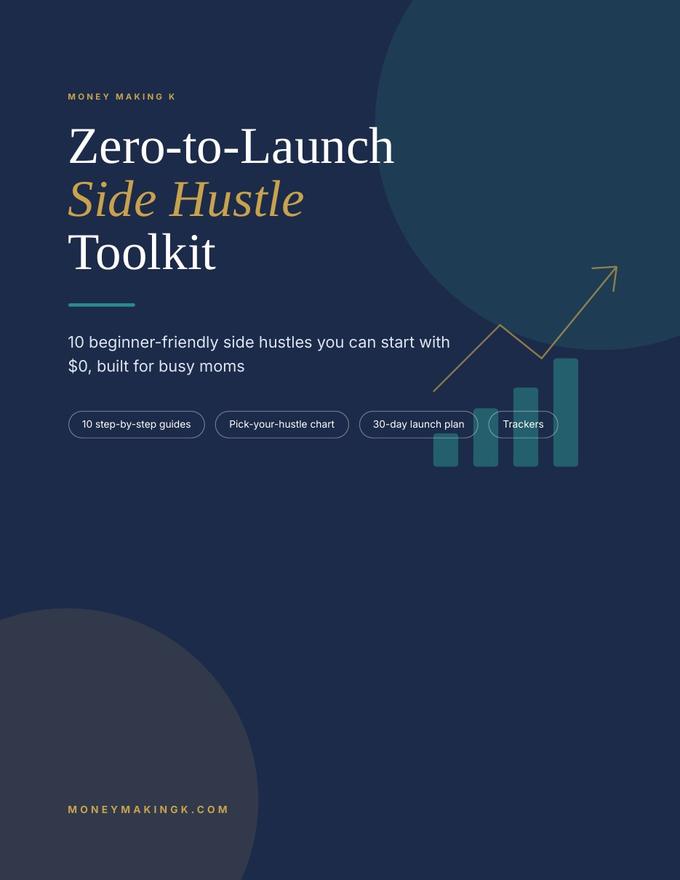
The Zero-to-Launch Side Hustle Toolkit
10 beginner-friendly side hustles you can start with $0, each with simple setup steps, free tools and an honest heads-up, plus a "pick your hustle" chart, a 30-day launch plan and a first-dollar tracker. $9.
Get the toolkit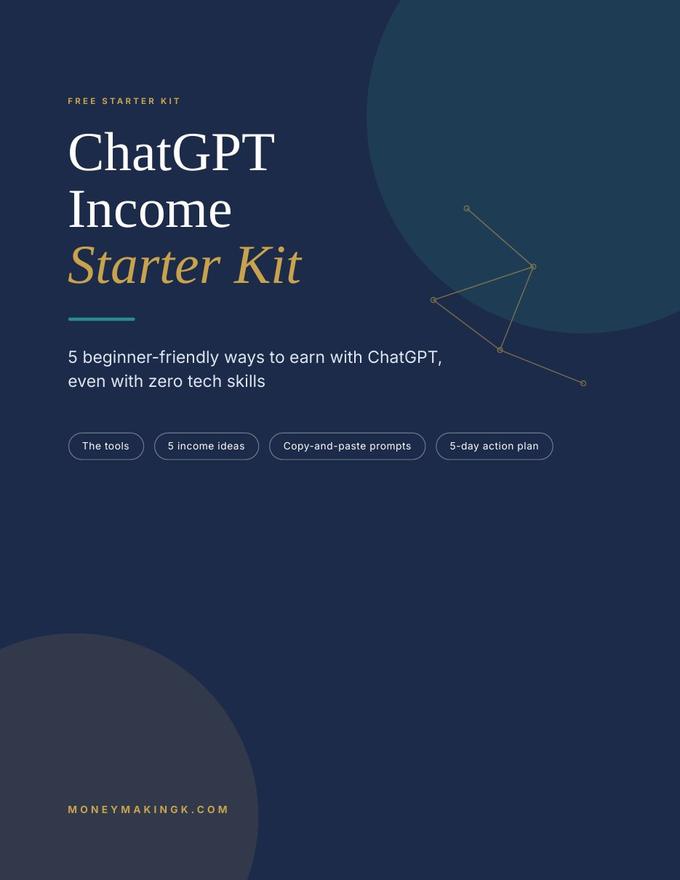
Start with the free ChatGPT Income Starter Kit
5 beginner-friendly ways to earn with ChatGPT, copy-and-paste prompts and a 5-day quick-start plan.
Plus side hustle tips by email. Unsubscribe anytime.